Rebecca Sutton Koeser
Lead Research Software Engineer
Ph.D. English Literature, Emory University
B.A., English Literature and Math/Computer Science, Wheaton College (IL)
- rebecca.s.koeser@princeton.edu
- 609-258-2024
- B-9H-8 Firestone Library
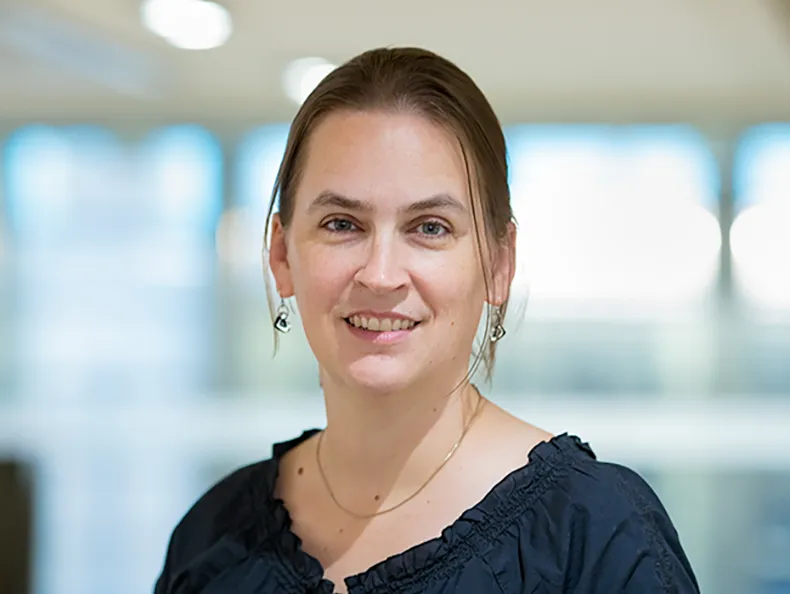
As CDH Lead Research Software Engineer, Rebecca Sutton Koeser co-leads the CDH Research Software Engineering Team with Assistant Director Jeri Wieringa and partners with faculty to create custom research software through CDH collaborative projects. Recent collaboration outputs include data essays on Princeton Geniza Project datasets with Marina Rustow and Shakespeare and Company Project v2 dataset with Joshua Kotin, both published in the Journal of Cultural Analytics; a dataset of poetry excerpts mined from Princeton Prosody Archive; an article on the HTR2HPC pilot with Christine Roughan presented at USRSE25; and a short paper on unstable data in Princeton Prosody Archive with Meredith Martin and Mary Naydan, presented at Computational Humanities Research 2025.
Rebecca has training in both English Literature and Computer Science, combined with two decades of experience of software engineering in an academic environment. Her wide-ranging interests enable deep engagement in partnerships with faculty from a range of disciplines which have included English Literature, History and Near Eastern Studies, and Philosophy. Current research interests include computing with missing and partial data, as reflected in the article "Missing Data, Speculative Reading", co-authored with Zoe LeBlanc, and the python library undate for working with partially known and fuzzy dates, which expands on work from the Shakespeare and Company Project and the Princeton Geniza Project. She has expertise and interest in data visualization and data physicalization, and helping shape and improve research software development practices and Research Software Engineering for the humanities.
Rebecca serves on the DHTech (ADHO Special Interest Group) Steering Committee, where she is involved in Code Review Working Group and DH Community Code Review efforts; she co-edited with Julia Damerow the Digital Humanities Tech Symposium 2025 proceedings, which were published in the Anthology of Computers and Humanities. She is an associate editor for the Computational Humanities Research journal, where she has been working to establish the Software Paper as a genre for the field and is currently co-editing a themed issue on reproducibility with Miguel Escobar Varela. She previously served on the Association for Computers and the Humanities (ACH) Executive Council (2019-2023).
Highlighted articles
Princeton Geniza Project datasets
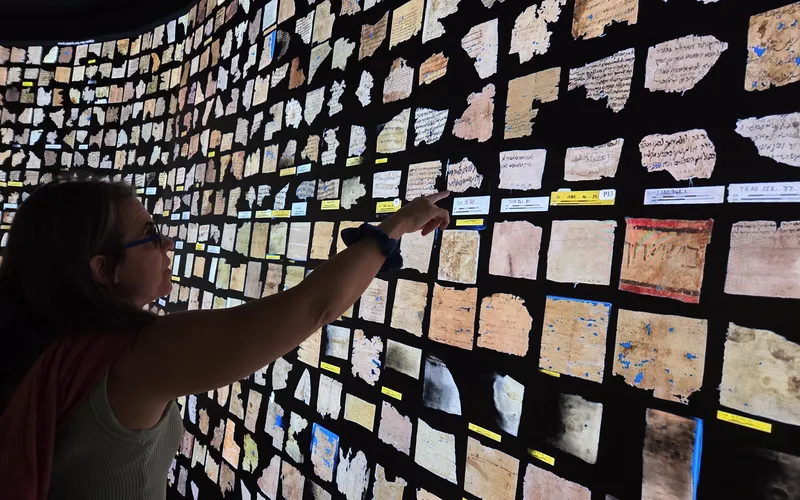
With Marina Rustow, published in Journal of Cultural Analytics. Documents 40-year PGP history, data modeling choices, dataset potential. (2026)
Shakespeare and Company Project Data Sets, Version 2.0
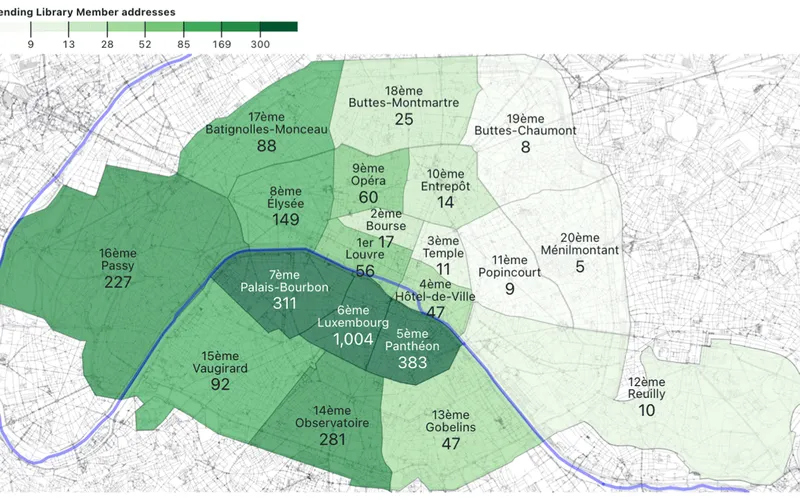
With Joshua Kotin, published in Journal of Cultural Analytics. Research and potential of v2 dataset, including addresses. (2026)
Undate: humanistic dates for computation
A software paper about the background, development, and potential of the undate python library. (2025)

Missing Data, Speculative Reading
Estimating, analyzing, and speculating about gaps in Shakespeare and Company Project data; co-authored with Zoe LeBlanc (2024)

Data Beyond Vision
Experiments with data physicalization and DH data, published in the first issue of Startwords (2020)

Trusting Others to 'Do the Math'
Who are we trusting when we use software for research? (2015)

Related projects
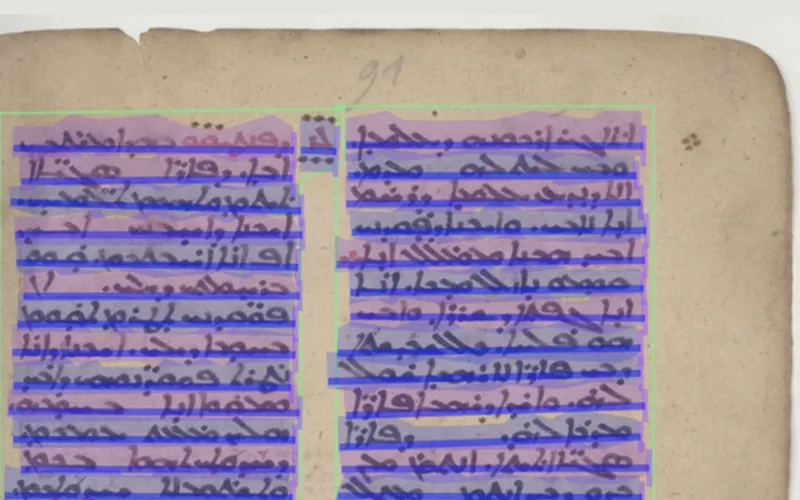
Transcribe Lab
AI infrastructure shaped by and for scholars for transforming handwritten and complex historical sources into machine-readable text, and for learning to use these methods critically.
undate
An ambitious in-progress effort to develop a pragmatic Python package for the computation and analysis of temporal information.
MuSE (Multilingual Semantic Embeddings)
Linking concepts in music-theoretical texts across languages

Related events
Poster Session II at DH2024

Poster Session I at DH2024


Related posts
Introducing the ‘Software Paper’: New ways to publish on research software in CHR
12 November 2025
Rebecca Sutton Koeser