Graduate Program

On this page
Since its founding in 2014, the Center for Digital Humanities (CDH) has trained hundreds of graduate students from all fourteen PhD-granting Princeton humanities departments plus Anthropology, Architecture, Computer Science, History, History of Science, Politics, and Sociology. We teach students to reveal new insights about human culture through the informed and discerning use of data and computation. Our students ground these pursuits in a deep engagement with the history, theory, and political economy of AI. Whether applying or studying machine learning, our students draw on media studies, critical data studies, critical archival studies, cultural analytics, and computational humanities.
Visit our handbook for introductory resources to DH, our programs, application info, and more.
Questions?
For questions about any of the CDH grad programs, contact Grant Wythoff.
To receive updates about grad programs, subscribe to the cdh-grads mailing list by visiting lists.princeton.edu
Career Outcomes
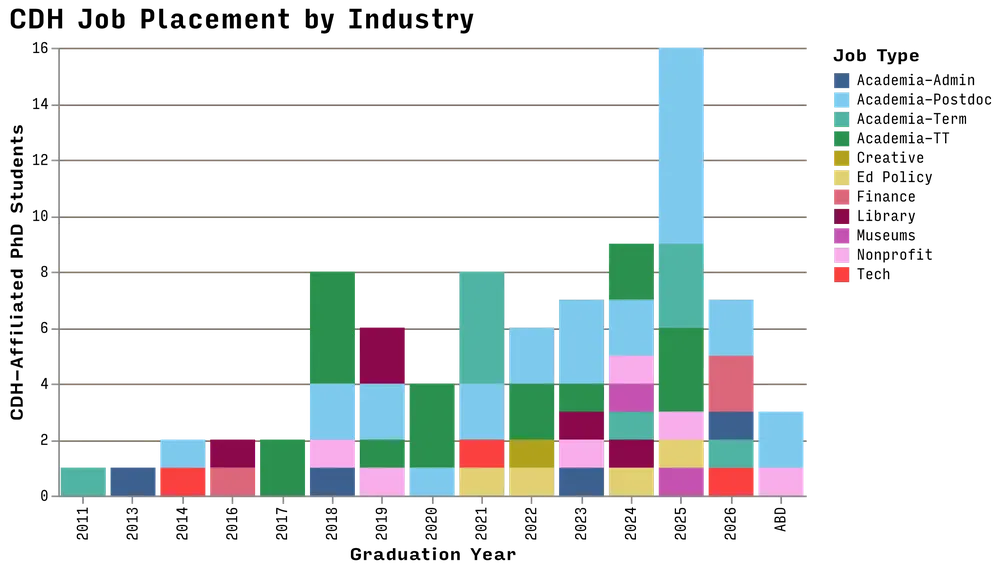
The CDH equips Princeton graduate students to be interdisciplinary, forward-thinking researchers in a competitive academic job market. Further, the expertise CDH grads acquire prime them for careers across a broad range of professional futures. Alumni of CDH graduate programs have gone on to careers in nonprofits, education policy, museums, consultancies, the tech industry, and more.
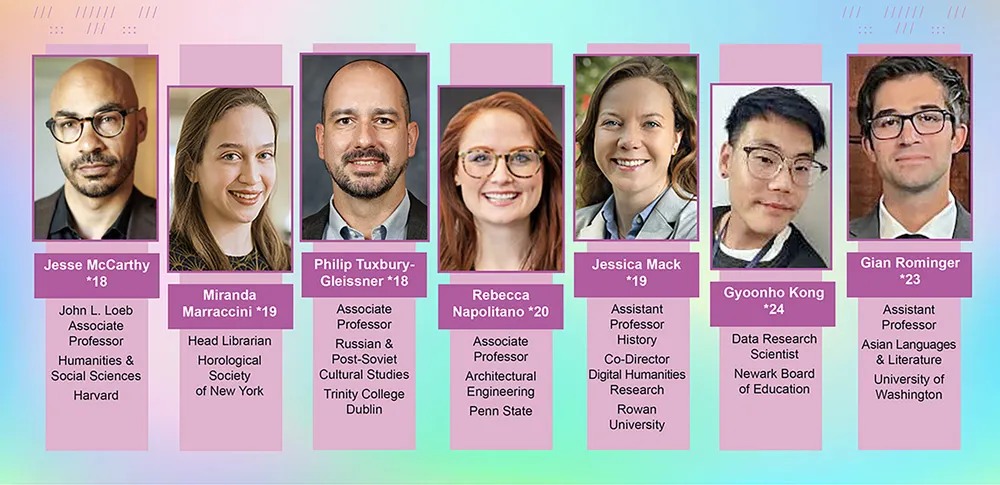
I acquired an interdisciplinary, tenure-track job thanks to the DH background I acquired at the CDH.
Gian Rominger, EAS *25, Assistant Professor, U. Washington
The CDH helped me bring quantitative and spatial data into conversation with narrative sources.
Sean Fraga, History *19, Assistant Teaching Professor, USC
Pathways
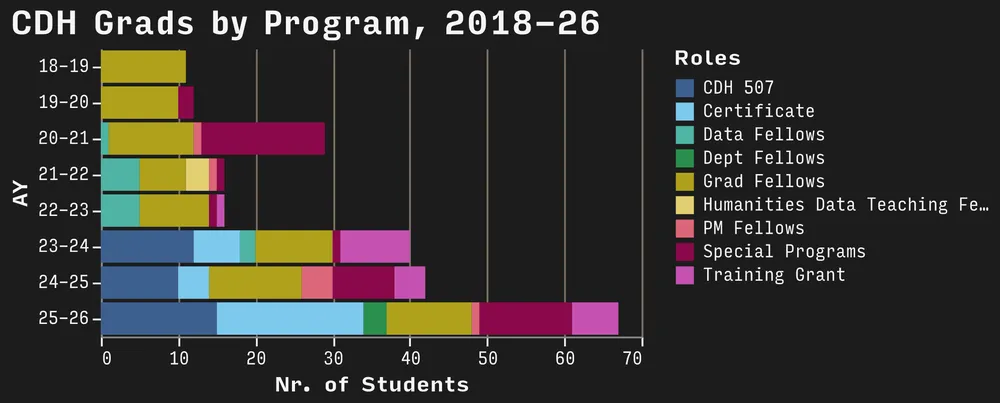
Students have the opportunity to act in a variety of roles, including as research assistants, co-authors, project managers, University Administrative Fellows, workshop leaders, consultants, teachers, speakers, and participants in our events, working groups, and courses.
Check out what current students are doing at CDH now.
Our range of curricular and co-curricular offerings has expanded over the years. Some students hold multiple CDH positions in a single academic year.
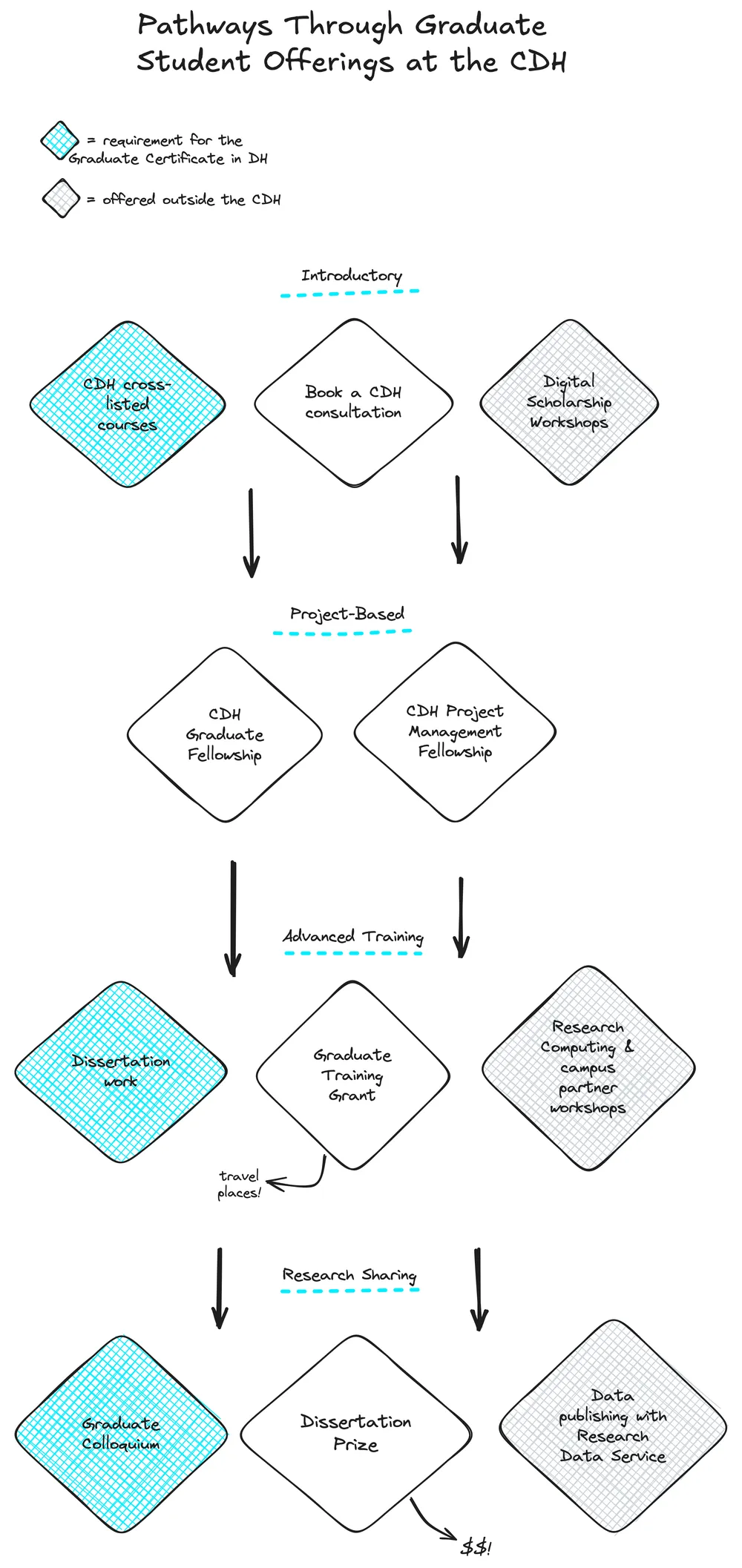
There is no one right way to sequence the workshops, classes, and fellowships offered by the CDH and by our campus partners like PUL Digital Scholarship and PICSciE. (For details on campus partners and their offerings, see the Grad Student Handbook.) But the diagram below suggests some pathways that PhD students might want to follow: from introductory classes, to project-based learning, to advanced training, and finally capstone presentations.
Graduate Certificate
The CDH's flagship offering for doctoral students

Graduate Fellowships
A one-semester studio for workshopping research in progress.

Graduate Courses in DH
Graduate-level seminars offered or cross-listed by the CDH.

Graduate Training Grants
Funding to attend external institutes and workshops

Graduate Colloquium
Annual capstone event for PhDs pursuing the Grad Certificate in DH. Presentations detail the use of quantitative, data-intensive, computational, and media theoretical methods in humanistic research.

Dissertation Prize
Awarded yearly to the most successful use of DH in a dissertation

Graduate Project Management Fellowship
Training for graduate students in the theory and practice of project management

Related news
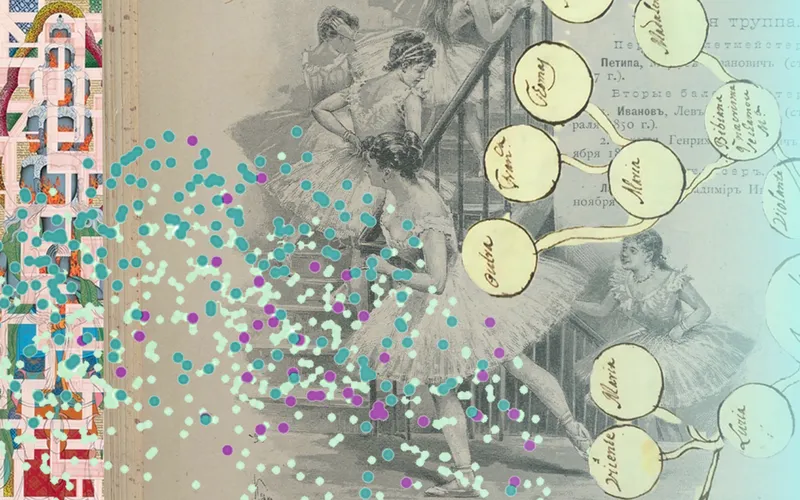
Graduate Fellows Scan, Model, and Map: New Discoveries from Sermons to Ballet
3 June 2026
Carrie Ruddick

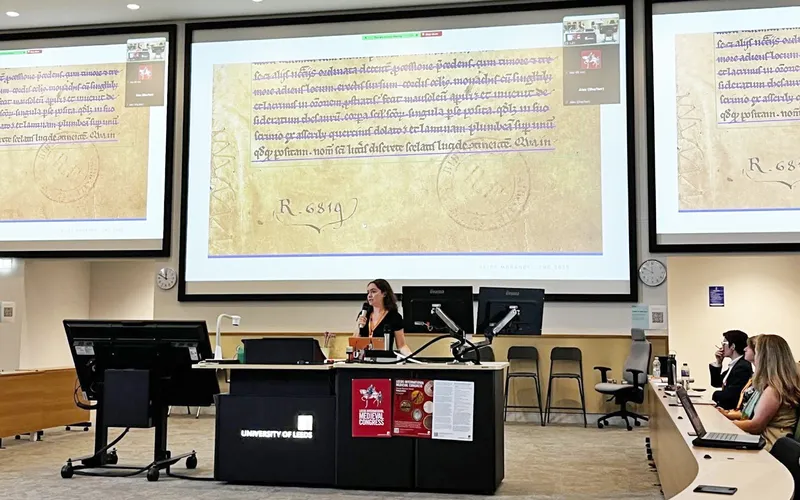



Annual CDH Graduate Colloquium, 2025


