Grant Wythoff
Digital Humanities Strategist
Ph.D. English Literature, Princeton University
Certificate, Media + Modernity, Princeton University
B.A. English Literature, Rutgers University
- gwythoff@princeton.edu
- B-9H-3 Firestone Library
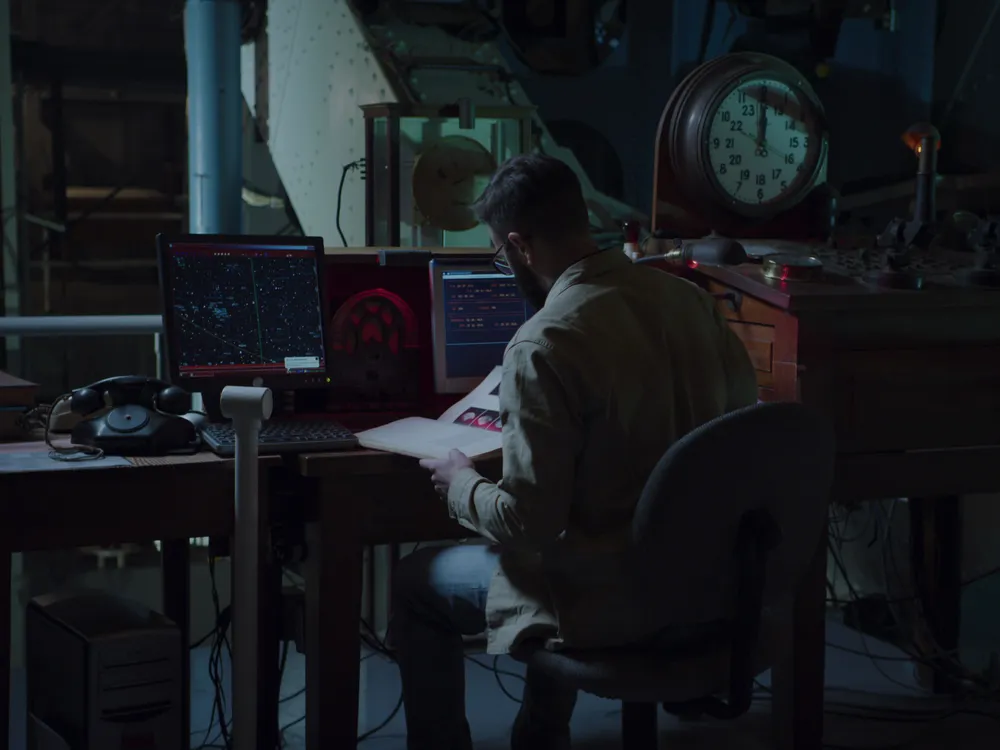
Grant directs the complete slate of graduate student programs at the CDH, where he advises PhD students across 17 academic departments in the critically-informed use of computational and data-driven methods. As the Digital Humanities Strategist, he supports and collaborates with faculty, staff, and students on data curation, curriculum development, and project design.
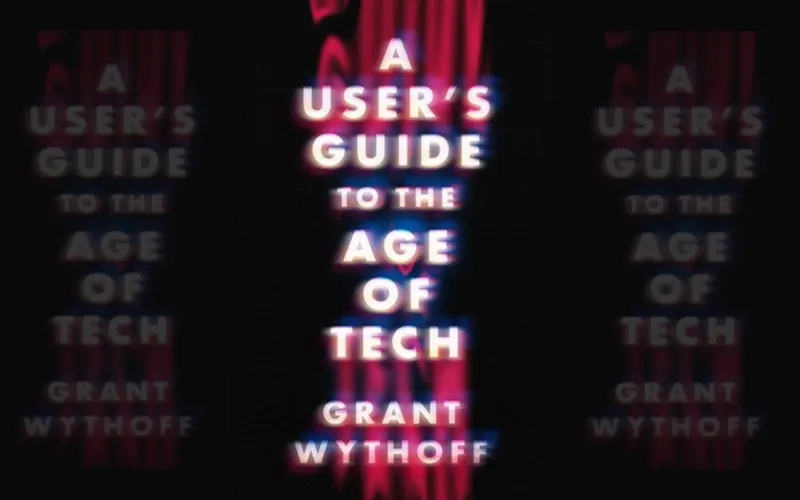
Grant studies the emergence of historical media technologies, explores the uses and risks of generative AI in humanistic research today, and analyzes evolving discourses on the future. His latest book, A User's Guide to the Age of Tech (Univ. of Minnesota Press) explores how users of digital media experience, negotiate, and influence technological change — at a time when so much of that change feels out of our hands. His first book, The Perversity of Things: Hugo Gernsback on Media, Tinkering, and Scientifiction (Univ. Minnesota Press), argues that science fiction began among the maker movement of the 1910s. It was a pilot project of the Manifold Scholarship platform for open access, multimodal books.
As a comparativist, Grant draws on multiple fields devoted to interrogating the relationship between technology and culture, including digital humanities, media theory, community technology, and science and technology studies. His scholarship on science fiction has been featured in numerous television, radio, and film documentaries.
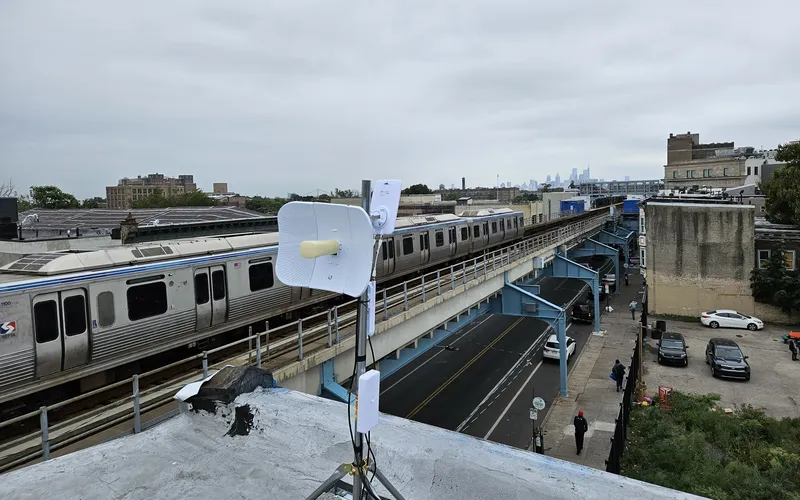
Elsewhere, Grant is cofounder and Board of Advisors member of Philly Community Wireless: a coalition of organizers, technologists, researchers, and librarians working toward digital equity in Philadelphia by building large-scale, no-cost WiFi networks in private and public spaces of underserved Philadelphia neighborhoods. Thanks to dedicated staff, over a hundred active volunteers, and community maintainers, PCW has connected tens of thousands of users to the internet.
Before coming to Princeton, Grant held postdoctoral fellowships with the Columbia University Society of Fellows in the Humanities and the Penn State Center for Humanities and Information. At Columbia, Grant was a cofounder of the Group for Experimental Methods in the Humanities.
Grant has taught undergraduate and graduate courses on AI in the humanities, literary naturalism, social media and the novel, global science fiction, digital culture, and book history. He written about wireless telegraphy, boredom, technocratic politics, space opera, and the history of method in the humanities. This work has appeared in venues like Digital Humanities Quarterly, Grey Room, The Washington Post, Post-45, Configurations, Amodern, The Programming Historian, and the Los Angeles Review of Books.
More on his work can be found at https://wythoff.net/
Related projects
Startwords
A journal for experimental humanities research, irregularly published by the CDH

Philly Community Wireless
Building community-controlled networks in Philadelphia.
Related events

Measuring Futurity; the Future of Modeling; and the Risks of Synthetic Data in SF Studies @ SFRA 2026

Related posts
Finishing the year with Startwords. Introducing Issue 5: Processes
23 December 2024
Carrie Ruddick, Grant Wythoff
